Choosing the right game for a gathering often feels like navigating a maze. There are those who seek complexity, while others yearn for simplicity. In cooperative gaming settings, the challenge lies in striking a balance: how do we foster engagement without overwhelming players? If you’ve ever hosted a game night, you likely understand this dilemma all too well. It’s essential to engage everyone at the table, but lengthy rules and excessive choices can quickly lead to fatigue and frustration.
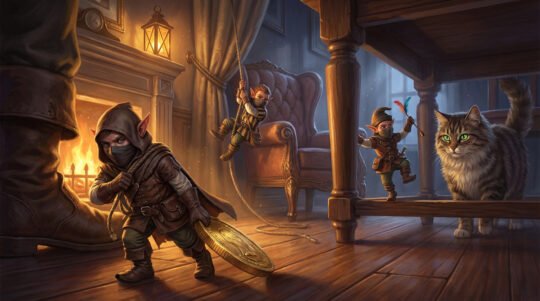
This brings us to a game that may ease this tension: ‘Burglin’ Gnomes.’ It offers a blend of teamwork and strategy, encouraging cooperation while keeping the gameplay accessible. The game intriguingly presents scenarios where players must work together to achieve collective goals, subtly shifting the emphasis away from individual decision-making. This design ethos is a refreshing approach that aligns well with the current trend toward more shared experiences in gaming.
When exploring how ‘Burglin’ Gnomes’ might reshape your game nights, it’s worth examining not just the mechanics, but also the overall experience it promotes. By limiting choices in favor of collaborative objectives, this game could change how we perceive cooperative play.
Practical Experience
‘Burglin’ Gnomes’ takes root in cooperative gameplay, meaning each player has a vested interest in the success of the group rather than merely their own. This design encourages communication and planning, which can be especially beneficial in casual settings. Players find themselves strategizing together, discussing the optimal paths, and weighing the potential outcomes of their actions without being bogged down by an overwhelming number of options.
For example, when setting up for a session, players can choose how they want to engage without scrutinizing a myriad of character classes, abilities, or hundreds of items that could complicate their strategy. Instead, they can focus on the immediate goals, which often relate directly to the game’s theme. This focus brings clarity to the session and allows for smoother transitions between rounds, fostering a more dynamic interaction among players.
Additionally, the game employs a relatively straightforward set of rules, which lowers the barrier to entry. Casual gamers can quickly grasp the mechanics, reducing the time typically spent explaining intricate systems. Real-world experiences shared by groups indicate that even those less familiar with gaming can find joy in participation, as they do not feel the pressure to keep up with complex rule sets. Less friction means more fun.
However, as with any game, challenges remain. While the simplicity promotes accessibility, it can also lead to repetitiveness for more seasoned players. Others may find the mechanics too limiting, craving complexity that isn’t present. Yet these considerations don’t negate the broader impact it can have on game nights, especially with mixed experience levels among participants. Selecting a game that promotes teamwork while remaining approachable—even for newcomers—is an invaluable asset for any host.
Trade-Offs
While ‘Burglin’ Gnomes’ encourages cooperation, it also presents honest trade-offs. The simplicity that makes it approachable may alienate those who seek depth in their gaming experiences. For hardcore gamers, the lack of extensive options can feel stifling. They may find themselves longing for the vast strategizing possibilities offered by more complex games. Striking the right balance becomes crucial, as it is essential to cater to the preferences of both seasoned veterans and newcomers.
This brings us to the critical notion of generational appeal. A game that garners wide acceptance among friends and families often necessitates decisions that may leave some individuals feeling unsatisfied. The challenge lies in creating a game that remains enjoyable yet doesn’t complicate the experience for those who prefer lighter gameplay. Another point worth considering is longevity. Games designed for accessibility may end up being played less over time as initial novelty fades, particularly if a group prefers more depth in their play sessions.
Broader Perspective
Looking at the broader gaming landscape, ‘Burglin’ Gnomes’ represents a growing trend towards cooperative engagements that prioritize collective experience over individual complexity. As gaming communities expand, the demand for inclusive gameplay continues to rise. This shift signifies an evolution in how games are designed, focusing on teamwork and social interaction, which resonate deeply as social gatherings evolve. The mechanics that promote cooperation suggest a departure from traditional competition-focused games.
This disposition toward collaborative gaming not only influences tabletop experiences but also extends to digital platforms. Multiplayer experiences increasingly emphasize team dynamics, fostering resilience and solidarity through shared challenges. As developers recognize this trend, future games may favor collective problem-solving, reinforcing a culture built around collaboration instead of competition. In many ways, ‘Burglin’ Gnomes’ is merely one part of a larger narrative—one that underscores the importance of engagement, community, and, ultimately, fun.
The journey to find the right game for gatherings doesn’t have to feel overwhelming. With the right balance of accessibility and engagement, ‘Burglin’ Gnomes’ illustrates how cooperative gameplay can forge connections, making game nights an inclusive experience for everyone. As you consider options for your next gathering, reflect on what kind of gaming experience you wish to foster. After all, the goal is to enjoy each other’s company while engaging in a shared adventure—this is the essence of gaming.