Nostalgia has a way of rewriting history. Games we remember as monumental often feel very different when we return to them years later, especially after decades of quality-of-life improvements in modern titles.
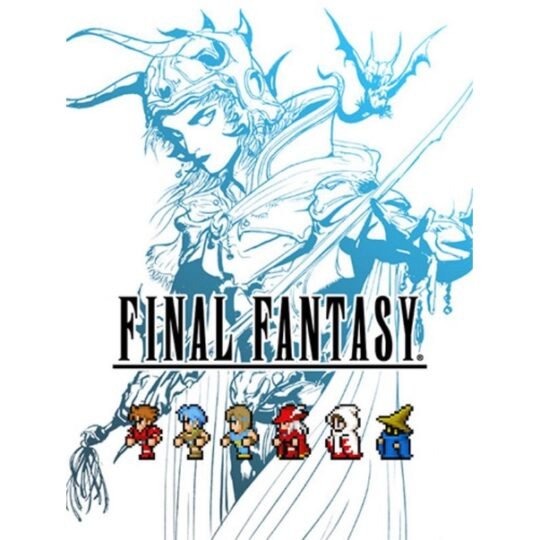
Recently, I decided to revisit Final Fantasy I not out of obligation, but curiosity, with the feeling of visiting and old friend. This time, I played the Pixel Remaster on Xbox, available through my subscription, which made it easy to experience the game without fighting old hardware or technical hurdles.
What Playing Final Fantasy I Feels Like Today
Playing Final Fantasy I today feels slower and more deliberate than most modern RPGs. There’s very little hand-holding, and progression often comes from experimentation rather than explicit instruction. You’re expected to talk to NPCs, remember hints, and piece together what to do next without a quest log constantly nudging you forward.
That pacing can feel jarring at first, especially if you’re used to modern conveniences. But after some time, it becomes clear that the simplicity is intentional. The game asks for patience and attention, and in return it creates a sense of involvement that’s easy to lose in more guided experiences.
What the Pixel Remaster Changes — and What It Leaves Alone
The Pixel Remaster smooths out many of the rough edges that can make older games difficult to return to. Visuals are cleaner, menus are faster, and the presentation feels modern without trying to reinvent the original art style. On a practical level, it removes a lot of friction that would otherwise get in the way of simply playing the game.
What it doesn’t do is change how the game actually works. Combat is still turn-based and can be punishing if you’re careless. You still have to explore, remember what NPCs told you, and figure things out without the game constantly stepping in.
The remaster mostly gets out of the way. It makes the game easier to play, not easier to beat and that’s kind of the point if you’re coming back to Final Fantasy I in the first place.
What Still Holds Up Surprisingly Well
What surprised me most is how well some of the game’s core ideas still work. Party composition matters in a meaningful way, and early decisions about classes continue to affect how the rest of the game unfolds. There’s no constant respec or safety net so you live with your choices, for better or worse.
Because your choices stick, even small wins feel earned. You are not chasing big stat jumps every few minutes. Most of the progress comes from figuring out how the systems work and changing how you approach fights.
Playing it again reminded me that a game does not need to be complicated to feel deep.
What Feels Dated — and Why That’s Okay
Going into it, I fully expected Final Fantasy I to function like a game from the late eighties and early nineties. Once I set that expectation properly, very little about it felt frustrating. The game asks you to slow down, pay attention, and engage with it on its own terms.
It does not try to smooth over every rough edge or modernize its personality. Instead, it preserves the way games of that era trusted players to figure things out. Approaching it with that mindset made the experience feel honest rather than outdated
I will say this though — having modern help available made revisiting the game far more enjoyable. When I hit moments where I vaguely remembered a hidden route or secret but could not quite place it, a quick search brought it all back.
Old-school game guides, community sites, and a handful of YouTube videos helped fill in the gaps without taking away the satisfaction of discovery. It felt less like cheating and more like having the manual and notes I would have relied on back then.